
The History of Catholicism in Northumberland and Alnwick
“A faith enduring through centuries of devotion, struggle, and renewal.”
Early Christian Roots
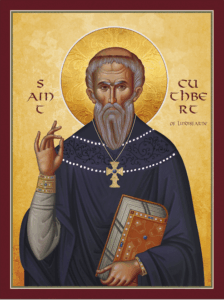
Long before the Reformation, the region now known as Northumberland was a cradle of early Christianity in England. The ancient Kingdom of Northumbria embraced the Gospel in the seventh century, when missionary saints such as St Aidan and St Cuthbert brought the light of Christ from Lindisfarne, the Holy Island. From the windswept coastline to the hills of Hexham, monastic communities blended Celtic and Roman traditions of worship, prayer, and learning, leaving a legacy that still shapes the Catholic spirit of the North East today.
The Reformation and its Aftermath
The sixteenth century brought upheaval with the English Reformation. The monasteries that had nurtured prayer and education were dissolved, and Catholic life was driven underground. Yet in the remote valleys and strongholds of Northumberland, faithful Catholics known as recusants continued to worship in secret. Hidden chapels and private homes became sanctuaries for Mass, and despite persecution, devotion to the Eucharist and the Blessed Virgin endured. Families who kept the faith through these times would later form the backbone of the Church’s revival.
The Penal Era and Missionary Activity
During the seventeenth and eighteenth centuries, Catholicism in Northumberland survived quietly through a network of missionary priests and rural missions. These priests often travelled on foot or horseback across rough countryside, celebrating Mass in barns, halls, and cottages. Missions were founded at Cheeseburn Grange (1725), Thropton (1753), Bellingham (1741), and Alnwick (1751). Their courage kept the flame of faith alive, and their ministry prepared the way for the restoration of public Catholic worship in later generations.
Catholic Emancipation and Revival
The passing of the Catholic Emancipation Act of 1829 marked a turning-point for Catholics across England. Freed from legal restrictions, Catholics in Northumberland could once again gather publicly, build churches, and establish schools. In this renewed climate, churches such as St Mary’s, Hexham (1828–1830) were erected, symbolising both revival and resilience. For Alnwick and the surrounding parishes, the nineteenth century was a time of consolidation and hope, as worship moved from private chapels into visible parish life.
Alnwick and the Local Catholic Heritage
In Alnwick, Catholicism endured quietly through the penal era and re-emerged in strength during the nineteenth century. Faithful families and mission priests sustained worship until the modern parish community took root. Over time, what began as small gatherings of the faithful grew into the vibrant parish life represented today by St Paul’s RC Church. The presence of this parish stands as a living continuation of centuries of prayer, perseverance, and fidelity to Christ in this part of Northumberland.
Twentieth Century to the Present
The twentieth century brought renewed energy to Catholic life in Northumberland. Parish schools, lay ministries, youth work, and charitable outreach flourished across the diocese. The Diocese of Hexham and Newcastle guided this growth, promoting education, vocation, and community across the North East. Today, St Paul’s RC Church continues that legacy through its liturgy, pastoral care, and witness to faith in the heart of Alnwick.
The Significance for Today
The history of Catholicism in Northumberland and Alnwick is not simply a record of events but a story of faith, endurance, and grace. It reminds us that the Church’s strength lies not in buildings alone, but in the steadfast devotion of its people. As we gather in worship today, we share in the same mission entrusted to the saints and faithful who came before us: to proclaim the Gospel, celebrate the sacraments, and serve our community in love.
“Christ yesterday, Christ today, Christ forever.” (Hebrews 13:8)
Sources and Further Reading:
Diocese of Hexham and Newcastle
.
England’s Christian Heritage